Concrete Concerns
October 2026: C-10 Files Letter Requesting NRC to Improve Concrete Testing Program at Seabrook Station
In 2020 a legal challenge filed by C-10 resulted in the Nuclear Regulatory Commission amending Seabrook Station's operating license to require ongoing monitoring of ASR-damaged concrete throughout the plant (Learn more about ASR damage at Seabrook Station).
A program for testing and monitoring the damaged concrete was developed, based on the best available science at that time. The NRC also requested additional studies from the National Institute of Standards and Technology (NIST), to determine if this program would be sufficient.
The NIST study was released in 2022, and results indicated that ther current testing program was not updates were needed to Seabrook's concrete testing program. C-10 raised the need for these updates to the NRC's Advisory Committee on Reactor Safeguards several times between 2022-2025, including presenting at NRC Headquarters in May 2025. As of October 2026 Seabrook's testing program has not been updated, and that why we are now requesting the NRC Commissioners to intervene.dfjlksdnjkfd
This is paragraph text. Click it or hit the Manage Text button to change the font, color, size, format, and more. To set up site-wide paragraph and title styles, go to Site Theme.
This is paragraph text. Click it or hit the Manage Text button to change the font, color, size, format, and more. To set up site-wide paragraph and title styles, go to Site Theme.
Back in 2020, a legal challenge filed by C-10 resulted in the Nuclear Regulatory Commission amending Seabrook Station's operating license to require ongoing monitoring of ASR-damaged concrete throughout the plant (Learn more about ASR at Seabrook Station). A plan for testing and monitoring the damaged concrete was developed based on the best available science at that time. The NRC also requested additional studies be done the National Institute of Standards and Technology (NIST) to identify the best testing methods to use.The NIST study was released in 2022 and it indicated that updates were needed to Seabrook's concrete testing program. C-10 raised the need for these updates to the NRC's Advisory Committee on Reactor Safeguards several times between 2022-2025, including presenting at NRC Headquarters in May 2025. Thus far, Seabrook's testing program has not been updated, and that why we are not requesting the NRC Commissioners to intervene.
Seabrook Station is plagued by a complex and irreversible type of concrete degradation known as Alkali-Silica Reaction, or "ASR." Seabrook is the first reactor in the U.S. known to have this problem, though it's presence has contributed to the early closure of at least two reactors globally.
At many nuclear power plants, including Seabrook, concrete serves as a key component of radiation containment. Structures like the reactor containment building are jeopardized if
1) provides both structural stability and radiation containment
it is a key component of safety planning and design
C-10 first submitted a legal challenge
In 2016, Plant owner NextEra Energy Seabrook submitted a license amendment request to the U.S. Nuclear Regulatory Commission (NRC) relative to the ability of its concrete to continue performing as designed. Believing the monitoring and testing of the concrete to be inadequate, C-10 petitioned the NRC's Atomic Safety & Licensing Board (ASLB) for a public hearing on the matter. A hearing occurred in September 2019, with a ruling from the Board nearly a year later, in August 2020.
The outcome of this case is not only impacting the health and safety of all who live near Seabrook; it will have national repercussions in how nuclear plants are regulated, and whether guidelines on how to respond to Alkali-Silica Reaction are written.
Read on to learn about the history of problems with Seabrook's concrete and other safety concerns.
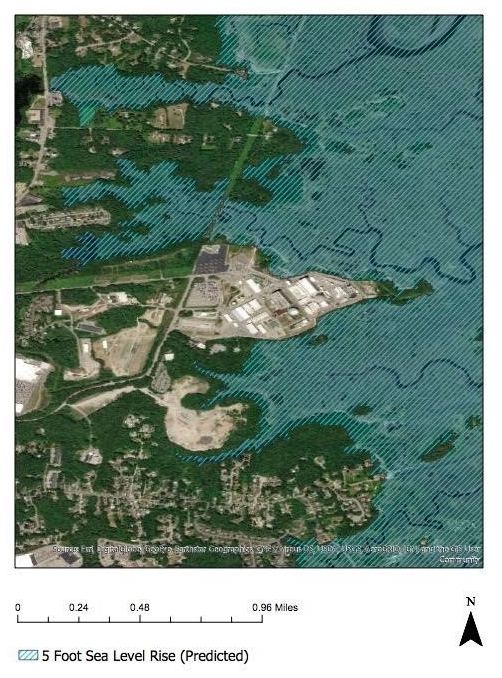
situated on a marsh in coastal New Hampshire
We live here, too.
C-10 has been monitoring, educating and speaking out about safety and security at the Seabrook Station nuclear power plant since our incorporation in 1991. We are your eyes, ears and voice for strong regulation and reliable information to protect the people and the natural environment surrounding Seabrook. We are a trusted partner to state and local agencies, and we communicate regularly with the plant's resident inspectors from the US Nuclear Regulatory Commission.
Seabrook Station has been generating atomic power to help meet the region’s electricity demands since it went online in 1990. With its 1,244-megawatt electrical output, Seabrook Unit 1’s pressurized water reactor is the largest individual electrical generating unit on the New England power grid.
While Seabrook is a major contributor to the region’s economy, employs about 500 people and pays $20 million in property taxes annually, it’s important to understand that the risk of an accident, however small, is real. To learn more about evacuation plans, how state, local and federal agencies work together to help protect the public, and the health and environmental impacts of nuclear power, please click the links below.

Emergency Planning


Nuclear Power & Radiation Exposure
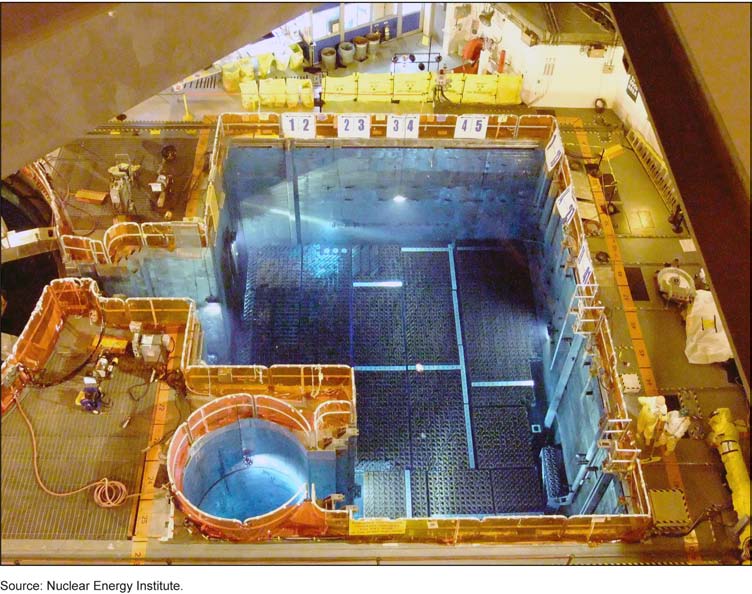
Nuclear Waste Q&A
Economic Considerations
Cities & Towns in Seabrook’s Emergency Planning Zone (EPZ)
About 170,000 people live in these communities.
New Hampshire
- Brentwood
- East Kingston
- Exeter
- Greenland
- Hampton
- Hampton Falls
- Kensington
- Kingston
- New Castle
- Newfields
- Newton
- North Hampton
- Portsmouth
- Rye
- Seabrook
- South Hampton
- Stratham
Massachusetts
- Amesbury
- Merrimac
- Newbury
- Newburyport
- Salisbury
- West Newbury